
Where little smiles make big waves


Child-Centered
Treatment plans are tailored to your child’s unique needs and risk factors, ensuring the best possible oral health outcomes.
Gentle Care
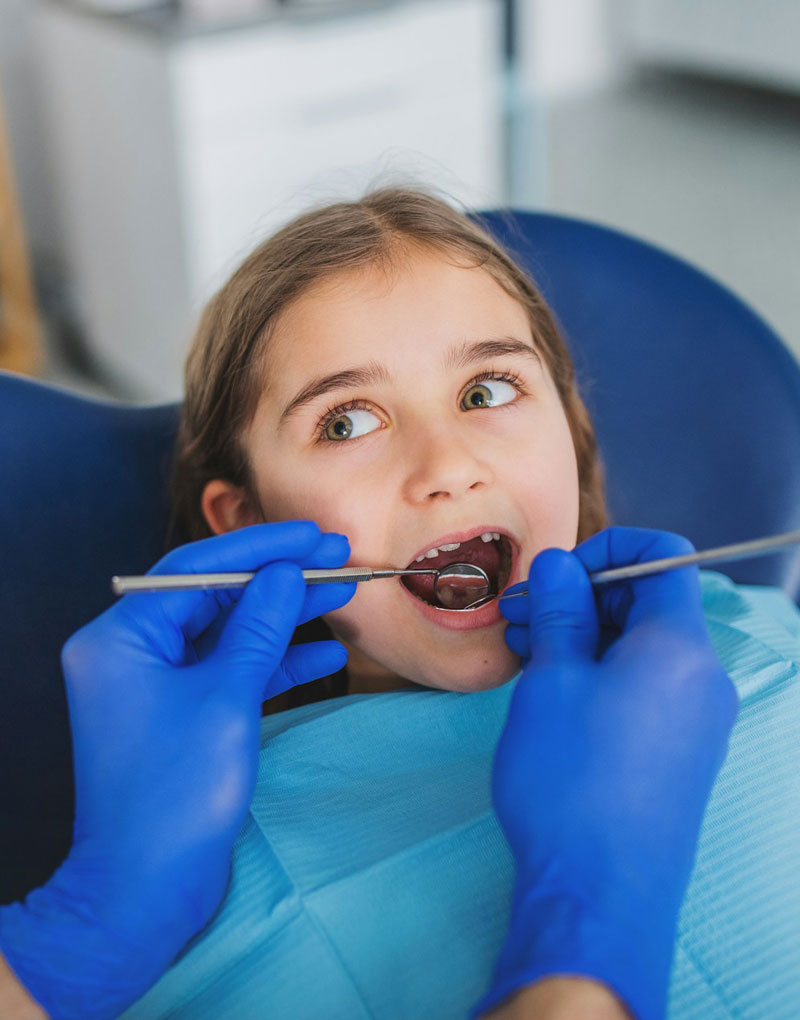
Creating a welcoming, gentle environment helps children build trust, reduce fear, and develop a lifelong positive impression of dental visits.
Parent Partnership
Parents and guardians are encouraged to be active participants, with space to share concerns, set goals, and support oral health at home.
Long-Term Health
Beyond fixing immediate issues, the goal is to teach kids the importance of maintaining healthy habits that last into adulthood.
Community Commitment
Families across Whatcom County and beyond are supported with compassionate, quality care they can trust.
Child-Centered
Treatment plans are tailored to your child’s unique needs and risk factors, ensuring the best possible oral health outcomes.
Gentle Care
Creating a welcoming, gentle environment helps children build trust, reduce fear, and develop a lifelong positive impression of dental visits.
Parent Partnership
Parents and guardians are encouraged to be active participants, with space to share concerns, set goals, and support oral health at home.
Long-Term Health
Beyond fixing immediate issues, the goal is to teach kids the importance of maintaining healthy habits that last into adulthood.
Community Commitment
Families across Whatcom County and beyond are supported with compassionate, quality care they can trust.
About Us
At our pediatric dental practice, we provide personalized care tailored to each child’s unique needs. Our priority is to create positive, comfortable dental experiences that help children build trust, reduce fear, and understand the importance of lifelong oral health.
We value parents as active partners in their child’s care, encouraging open communication and support at home. With pride and gratitude, we are honored to serve families in Whatcom County and beyond.
Our Approach
1.
Present Options
We walk through all the treatment choices for your child, giving you a clear picture of the options.
2.
Explain Benefits & Considerations
Together, we’ll look at the benefits of each option so you feel confident moving forward.
3.
Decide Together
Parents and dentist work as a team to choose the best solution for your child’s unique needs.
Children’s Dental Services

Preventative Care
Exams, cleanings, and fluoride protect your child’s teeth and build lifelong healthy smiles.

Restorative Care
We fix damaged or decayed teeth with crowns or fillings to keep your child’s smile strong and healthy.

Relaxing Care
Sedation (nitrous oxide or general anesthesia) helps your child feel calm and comfortable during dental care.

Space Maintenance
Helps keep the right amount of space for adult teeth to come in properly after a baby tooth is lost early.

Digital X-Rays
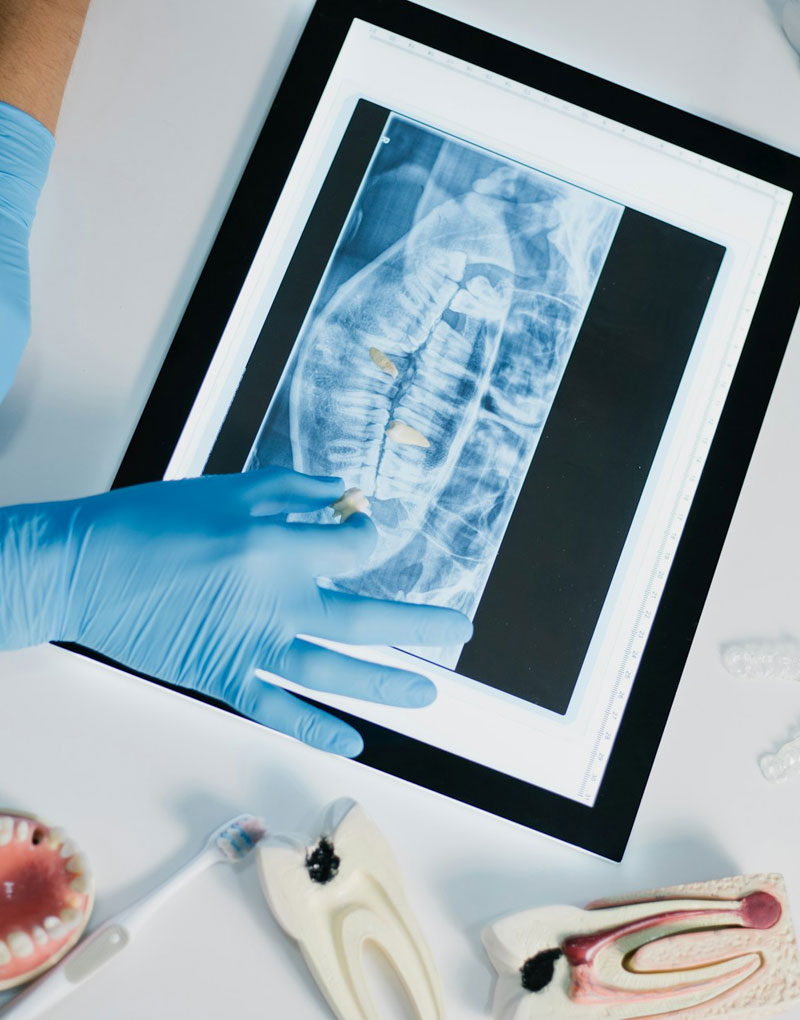
Safe, low-dose images that help us see how your child’s teeth are growing and catch problems early.
We’re Accepting New Patients!
When should I schedule my child for their first dental visit?
How often should my child see a dentist?
Your child should receive a preventive dental checkup at least every 6 months. Regular periodic examinations provide the opportunity for dental providers to detect early signs of oral disease, allowing for more conservative treatment options or even the possibility to monitor the condition of certain teeth and reevaluate them at the next visit.
Seeing children for 2 dental checkups each year further builds on the idea of establishing a dental home where they feel comfortable and safe. It also instills the importance oral health has in maintaining and achieving overall health, an idea that we hope every patient comes to understand as they mature and establish their own independence.
What will my child’s first dental visit look like?
First dental visits may differ depending on your child’s age and comfort level.
- For infants and some toddlers, the visit may focus more on an open dialogue between members of the dental team and the parent(s) or guardian(s), while ample time is spent interacting with your child and showing them some of the dental equipment and tools used for routine appointments. The dentist will perform an exam, sometimes with the child on their parent or guardians lap, unless they are cooperative enough to sit in the chair for the exam.
- For some toddlers and preschool-aged children, the visit may be more hands-on as the dental team gauges the child’s excitement level and willingness to allow routine preventative care such as a dental cleaning, x-rays, fluoride treatment (if desired), and a thorough exam by the dentist.
For all new patients, our goal is to keep visits as positive as possible and excite your child about coming back for their next visit, whether it be their next checkup, restorative treatment, or anything else. Dr. Mitch believes that the best treatment outcomes happen when we work together with patients and their families, always keeping patients’ comfort and willingness to attempt any treatment in mind at all times.
Will my child need braces? If so, when?
Most orthodontists recommend children be seen for an orthodontic consultation after age 7, but there are occasional instances in which a child may need to see an orthodontist before then. Often times it’s okay to monitor your child’s growth and development and wait until they are in their pre-teen or teenage years to see how necessary orthodontic treatment is. A typical time to refer for routine orthodontic treatment is between ages 11 and 14, when all (or most) primary teeth have been lost and the landscape of the permanent dentition can be assessed.
Proudly Serving Whatcom County
Links
Call
Hours
MON · TUE · WED 8:30am-5pm
ADDRESS
Tide & Timber Pediatric Dentistry
707 W Bakerview Rd.
Bellingham, WA 98226